
The Garden of Peace
Dec. 1, 2019
Being in our area can be a bit surreal. Every day, or at least every other day, you hear of skirmishes or full-out battles happening in the outlying areas. There is a path that runs next to our dwelling that has a high volume of foot traffic; daily we see both soldiers and students (primary, secondary and university) coming and going, and many refugees coming. Yet, if you look out across the valley, things seem so peaceful. But, if you visit the hospital, you are quickly dragged back into reality.
We are at the local hospital nearly every day; Miles spends a lot of time there repairing or “innovating” things, and we are constantly encouraging people to go to the hospital. We often ask the locals, “That’s a really bad cough/sore/wound. Have you taken him to the hospital yet?” Their response typically is, “No” or “We took him to the clinic or to the traditional doctor (for lack of better title, let’s call the traditional doctor a “witch doctor.”)”
At the hospital, especially now with so many refugees, you’ll find sickness (dysentery, malnutrition, bacterial/viral chest infections, typhoid, malaria) and the many wounded combatants and civilians. My previous viewings of bullet wounds has been limited to movies and television, but here I can reach out and touch victims. I could show you some gruesome photos of bullet entry and exit wounds in children, but I won’t. Now that so many people have fled as refugees, sadly most of the more recent civilian injuries are from being confronted by the soldiers.
Another casualty of war is education. The local schools are flooded with refugees, and most teachers are going unpaid, or at least underpaid because the student’s families, local or refugee, do not have any money to pay the school fees. For the state schools, teachers’ salaries are partially paid for by charging a tuition, but private schools are 100% funded by tuition and grants/donations.
An entire village that is only 3.5 miles away had to flee, but they have tried to settle their community close together so they could more easily continue to educate their children. Remarkedly, 80% of the students of this village are still meeting for school.
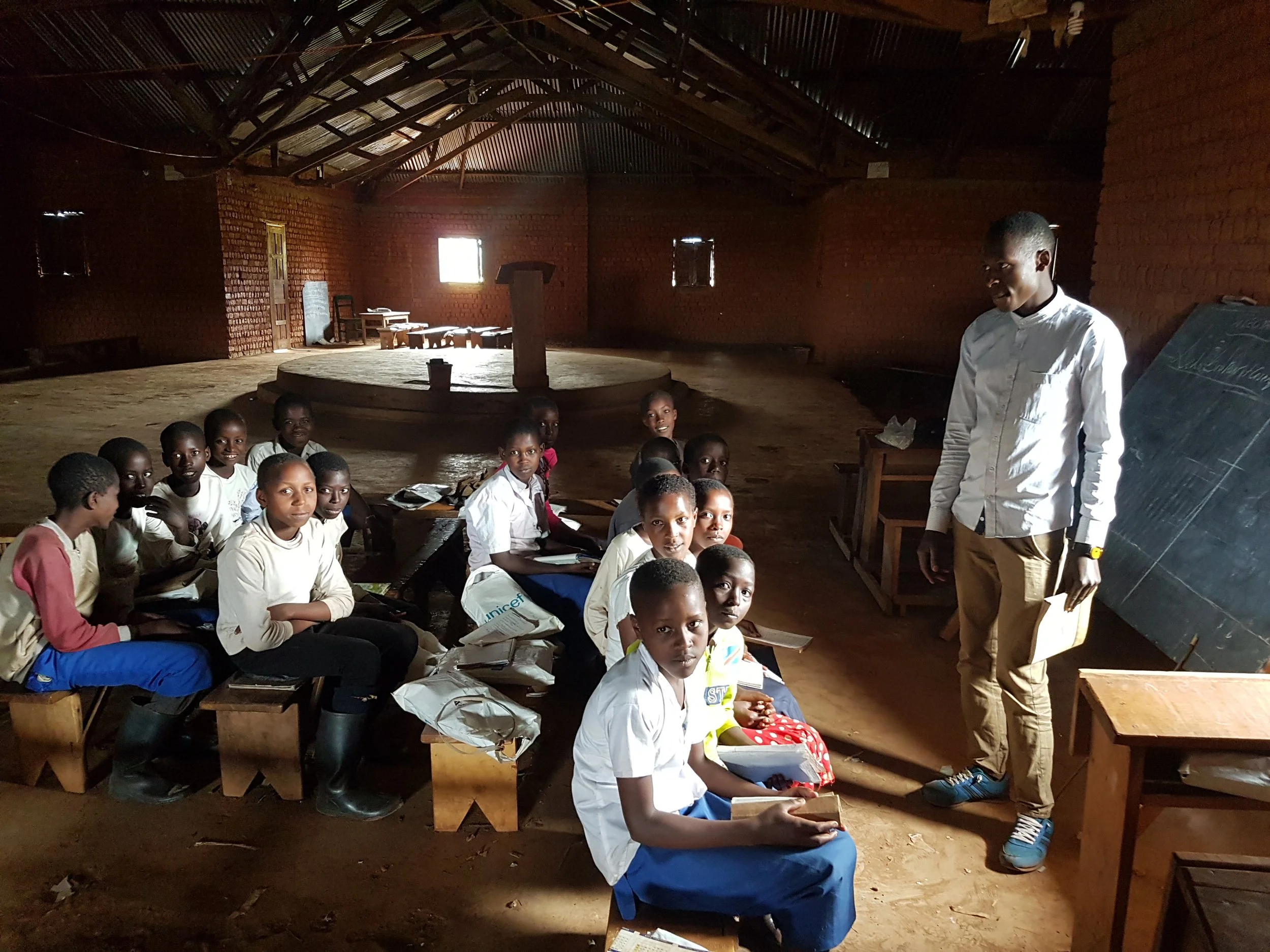
The teachers and kids from this village now meet in a church near us as their village was attacked and destroyed twice. It was strange to visit this school in this church because...

... it wasn't too many months ago that Miles and I visited these teachers and these kids at the school in their own village. Also, last summer, Miles was supposed to teach a course on electricity for interested students at this school.

This might look pretty rough to you, but even this unfinished portion of the church is in better shape than some of the pre-conflict classrooms in these students former school.
Going, Going, Gone
Although this is all a new and sad reality for me, this is business as usual in here, so we just keep moving along with everyone else. Shortly after Patrick and I arrived, Patrick started dispensing the 100 pairs of eyeglasses (readers) that he had brought.

On Day One, from our front porch, Patrick passed out four pairs of glasses. Word of the glasses spread quickly and…

… on Day Two, there was a line starting to form and Patrick passed out another 50 pairs of glasses.

Our friend Bonnke joking around with his neighbor, our area's token Muslim
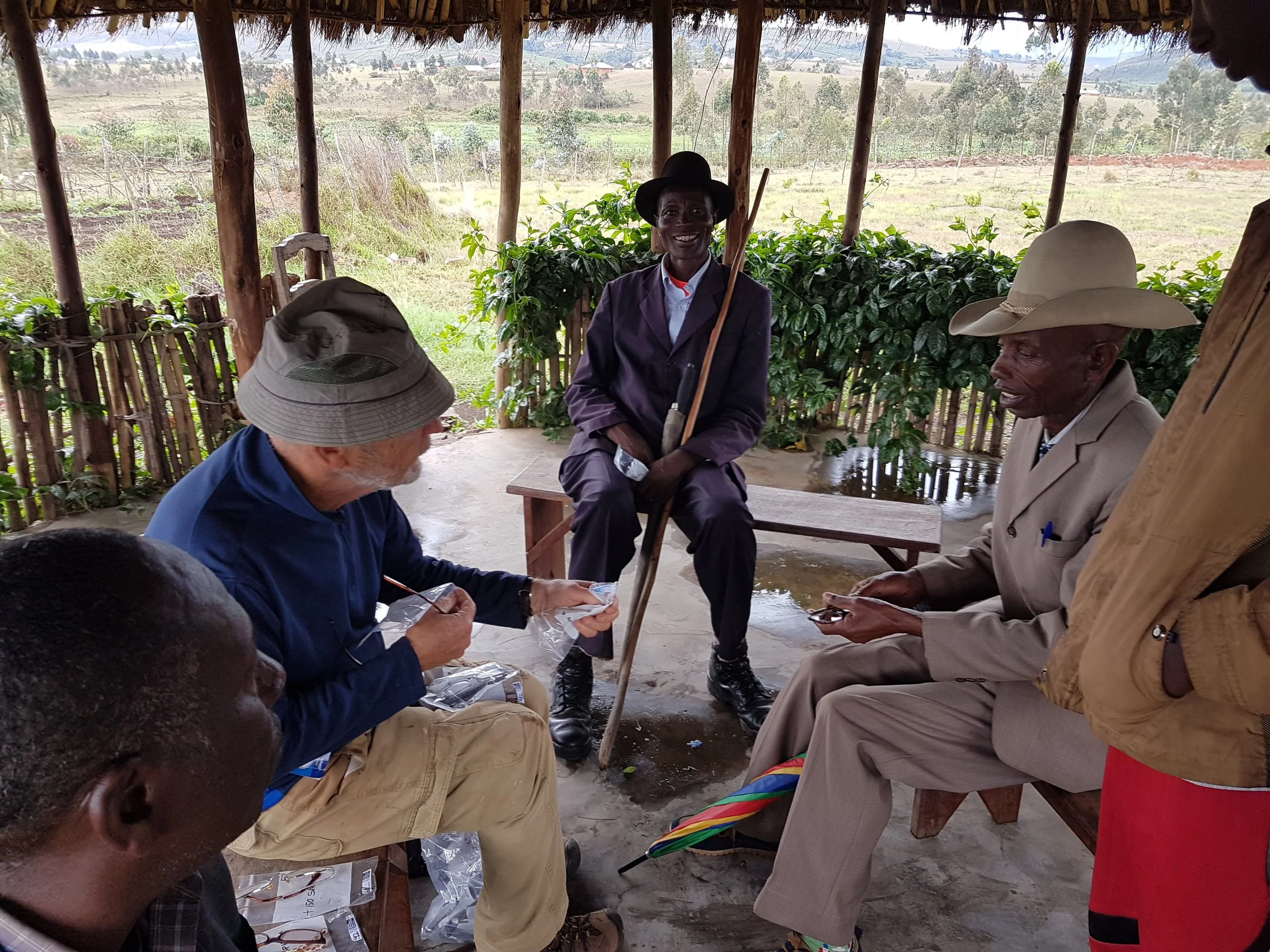
On day three, the rest of the glasses found owners as…
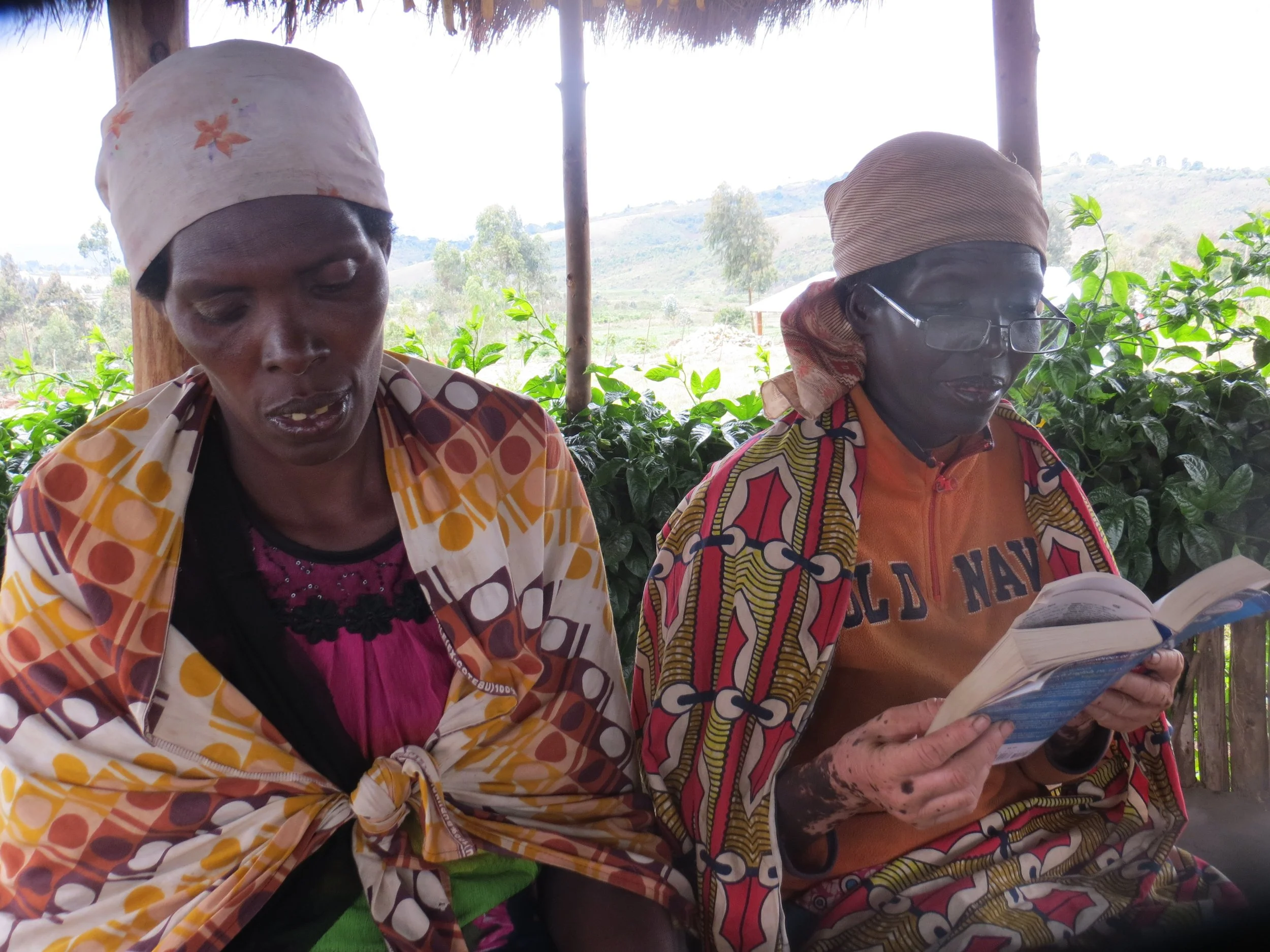
... was a non-stop stream of people showing up to Patrick’s “office.”
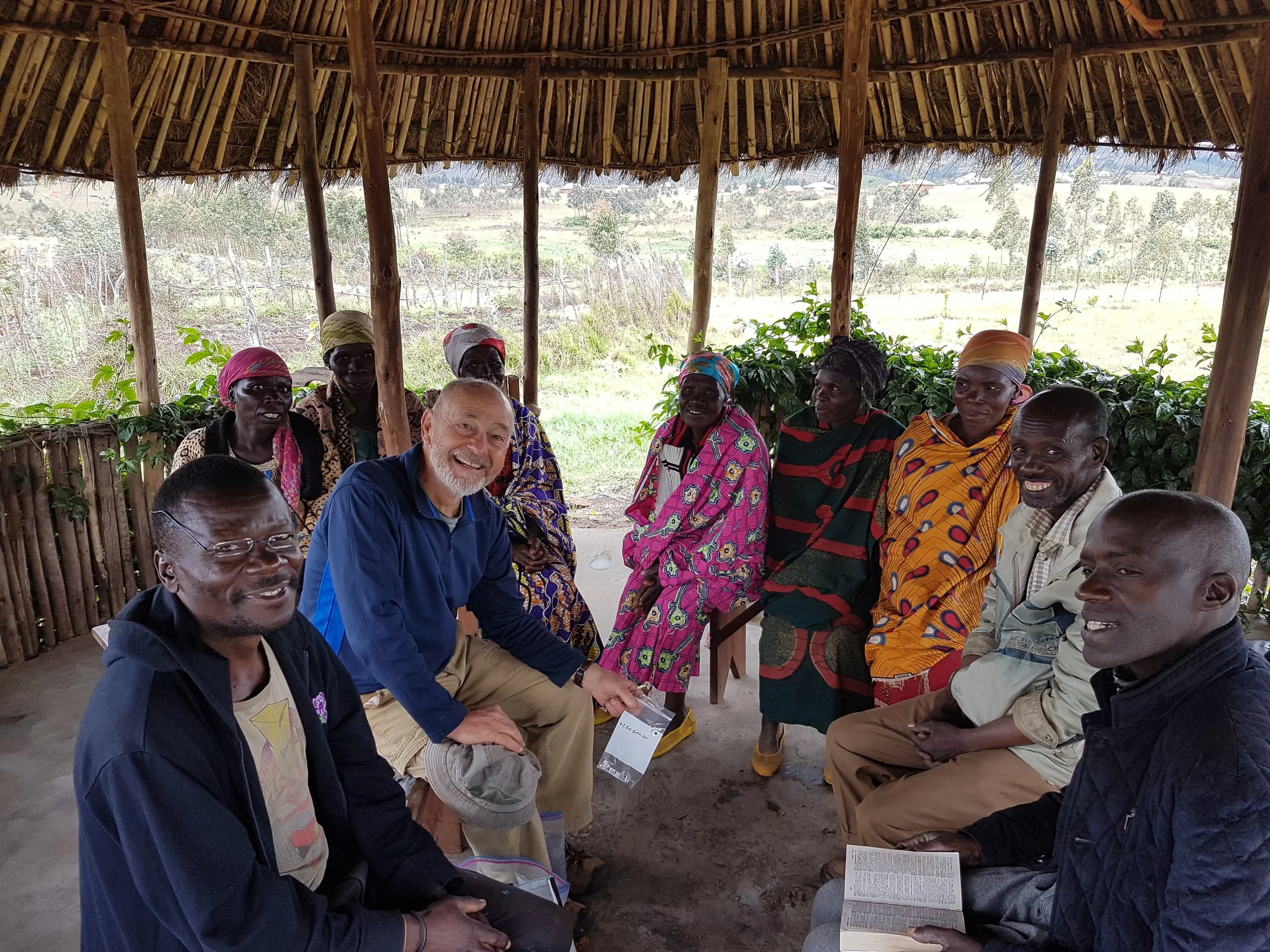
Now, each and everyday we have to tell people that our supply of glasses has been exhausted.
The Manager
Two months ago, we hired a young man named Ntebutsi to manage the orphan home that we work with; what a wonderful difference this has made in the care of the children.
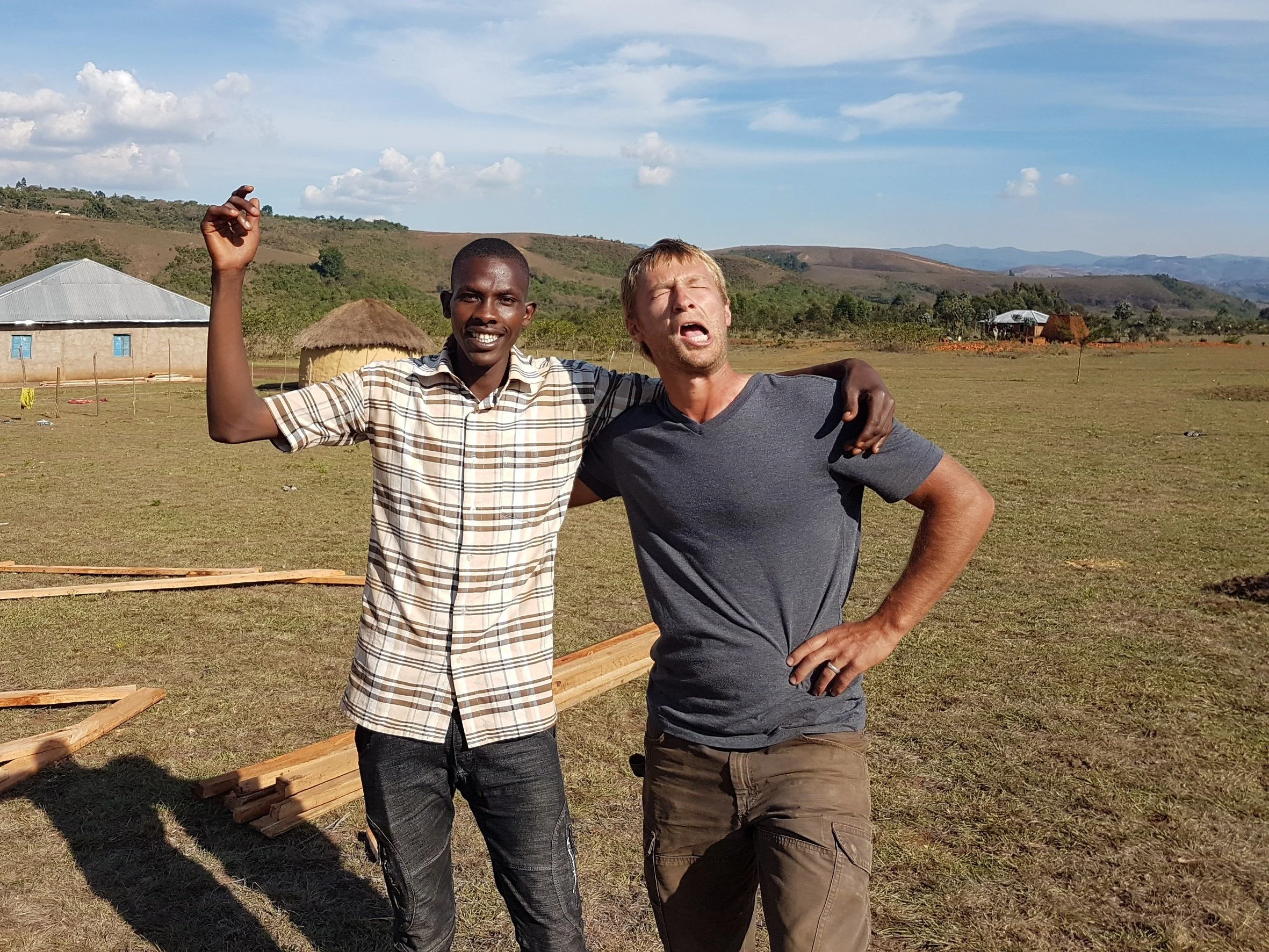
Ntebutsi is 28 years old, married, and the father of a little boy named Miles; Ntebutsi refers to our Miles as his twin. Ntebutsi has worked alongside of us for five years now, and a good portion of that time was spent helping the orphans develop their gardens. Ntebutsi is loved and respected by all of the kids and has been and will continue to be a great role model and mentor. Ntebutsi comes from an amazing and hardworking family whom we adore one and all.

The Twins are building a manager’s home; this is where the home sits in relationship to the orphans' home.

The Twins hard at work.
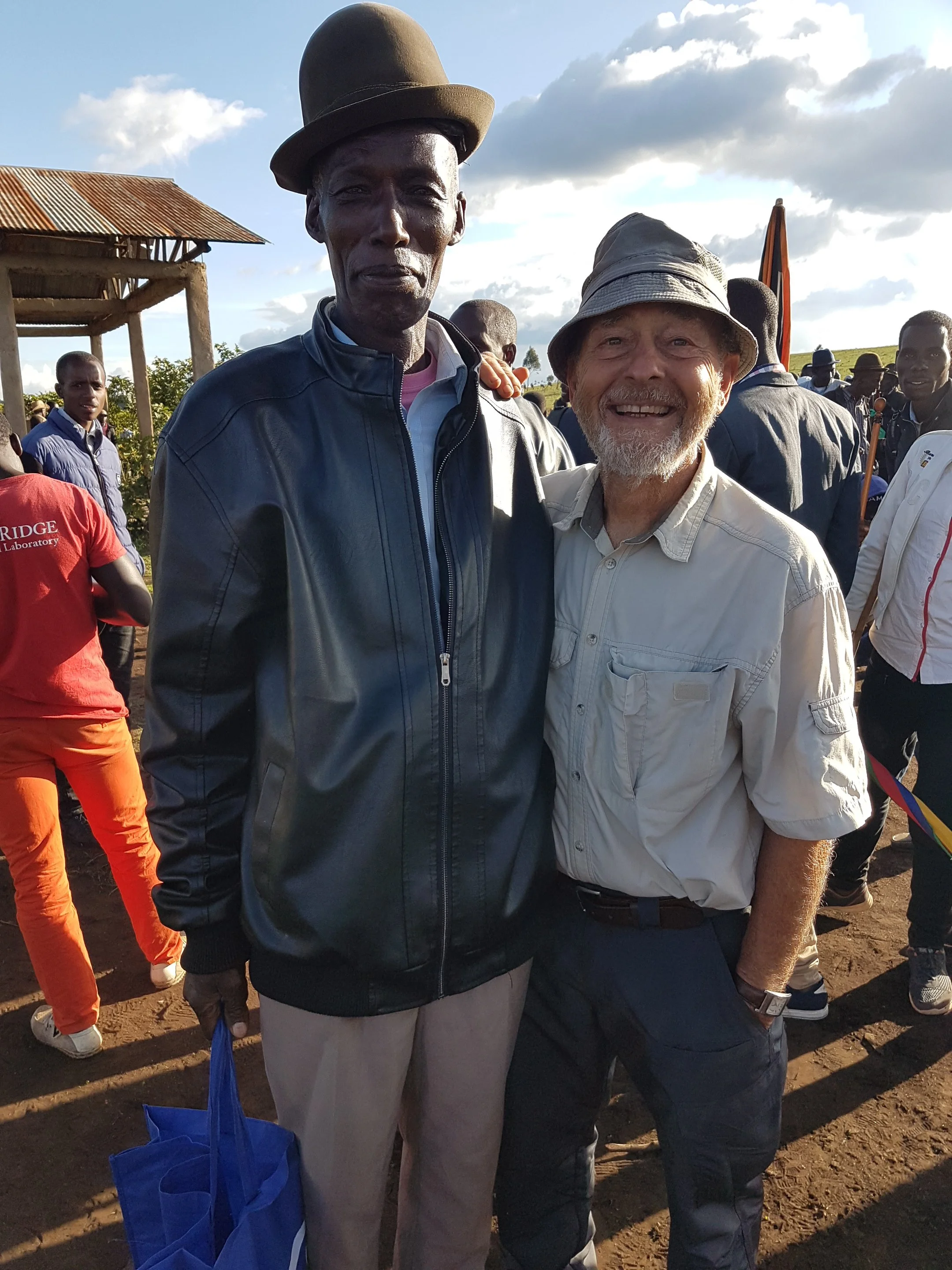
Patrick met Ntebutsi and Boonke's grandfather at the soko (market)
The Garden of Peace
Back in January, prior to our last three major conflicts, we were looking for a way to sustain the swelling food budget for the 27 orphans and 2 caretakers. Ntebutsi’s younger brother Bonnke came to us with an idea to grow large scale crops, something that, to our knowledge, isn’t done here. We funded Bonnke, then watched the conflicts of March, June, and current conflict spiral out of control. We thought the project had failed several times, but Bonnke stuck with the project, planting and then replanting the fields when they were torn up by fleeing people and their wandering sheep and cows.

Last week, Bonnke began to market the African eggplant, the first of the crops to mature; other crops include bell peppers, cabbage, carrots, garlic, and onion.
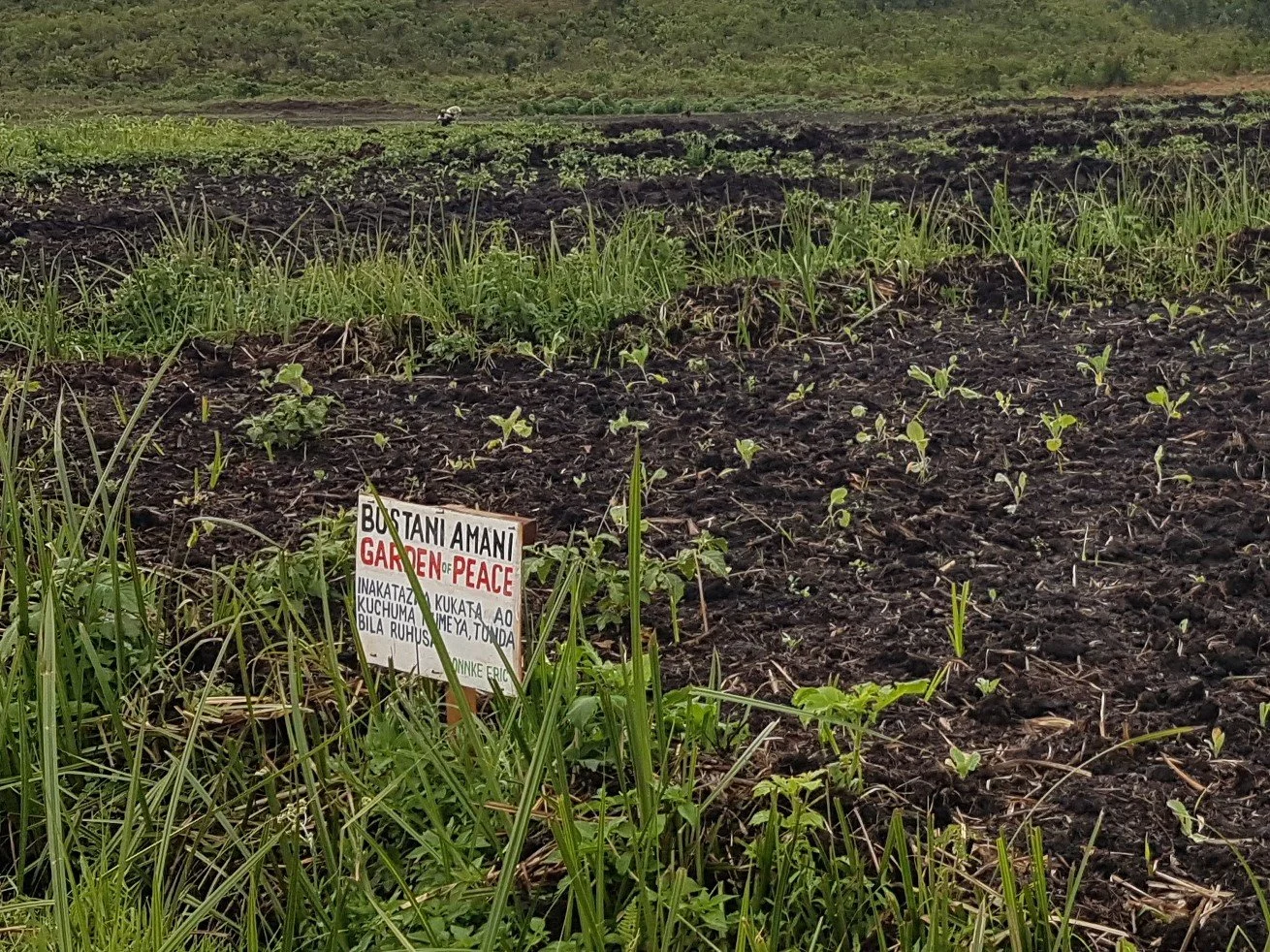
Ironically, Bonnke and Lisa named all of our fields Bustani Amani, or in English, the “Garden of Peace.”
Somehow - Michael